
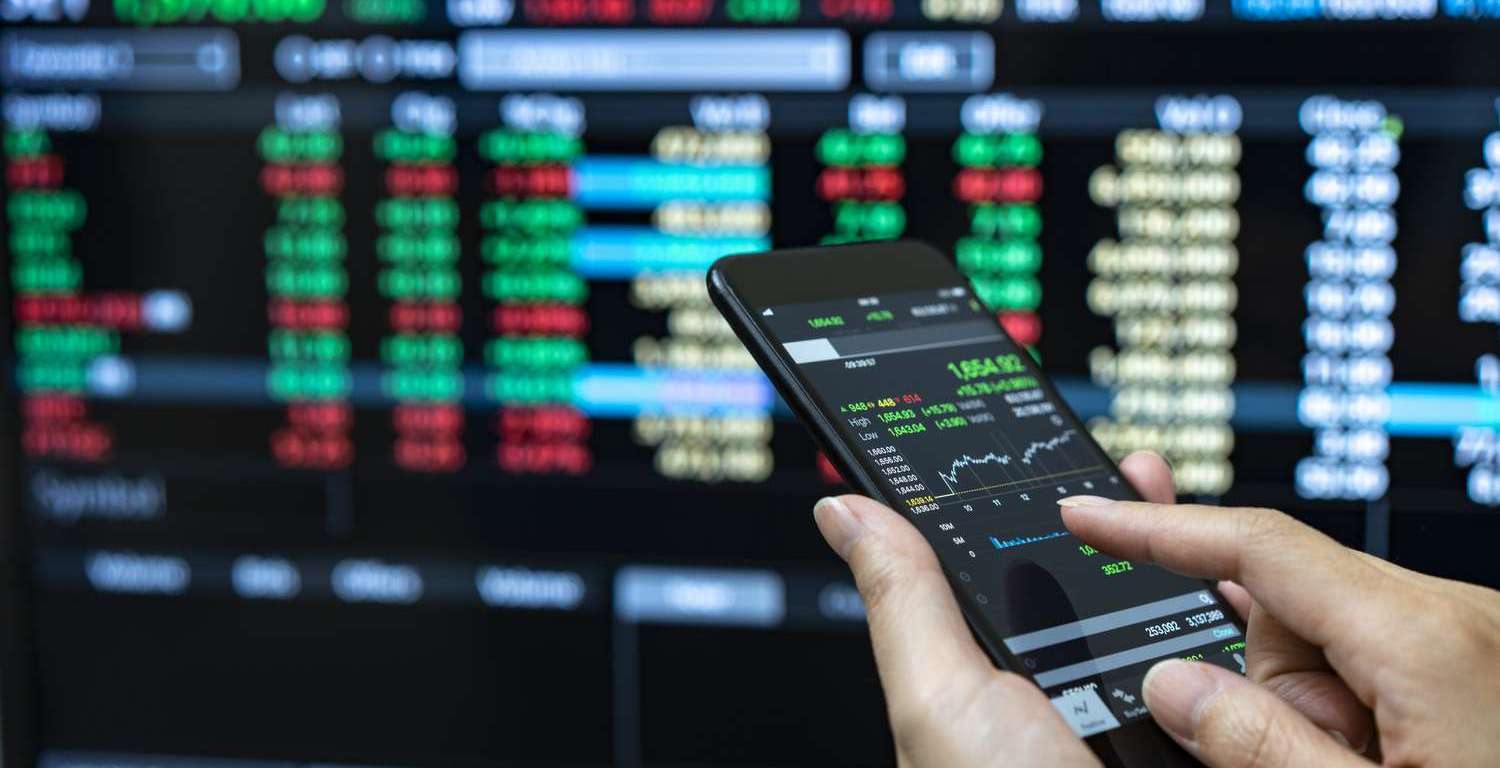
Forex trading, also known as foreign exchange trading, is the practice of buying and selling currencies with the aim of making a profit. As the largest and most liquid financial market in the world, it operates 24 hours a day, five days a week, and involves trillions of dollars exchanged daily. For those seeking financial independence, forex trading presents both opportunities and challenges. Understanding how this market works is essential to trading successfully.
What is Forex Trading
Forex trading involves the exchange of one currency for another at an agreed price. Unlike stock trading, which focuses on company shares, forex trading is concerned with global currencies such as the US dollar (USD), euro (EUR), and British pound (GBP). These currencies are traded in pairs, meaning when you buy one, you simultaneously sell the other. For example, trading the EUR/USD pair means you are speculating on the value of the euro against the dollar.
Key Features of Forex Trading
-
Decentralised Market: Forex trading does not occur on a central exchange; instead, it operates through global banks, brokers, and financial institutions.
-
Leverage Availability: Traders can control large positions with relatively small capital, increasing both profit potential and risk.
-
Liquidity: The forex market is highly liquid, meaning traders can enter and exit positions quickly.
-
Accessibility: With online trading platforms, anyone with an internet connection can start trading currencies.
How the Forex Market Works
The forex market operates through a network of banks and brokers who facilitate trades. It is structured in tiers, with the interbank market at the top where major institutions exchange currencies. Retail traders participate through brokers, who provide platforms to trade.
Major Players in Forex
-
Central Banks: Influence currency values through monetary policy and interest rate decisions.
-
Commercial Banks and Institutions: Conduct large transactions for clients and investments.
-
Retail Traders: Individuals speculating for profit using trading platforms.
-
Corporations: Engage in forex to manage international trade and currency risk.
Currency Pairs and Pricing
Currencies are always quoted in pairs. Each pair has a base currency and a quote currency. For example, in GBP/USD, GBP is the base currency and USD is the quote currency. If the price is 1.25, it means 1 GBP equals 1.25 USD. The movement of these pairs is influenced by economic indicators, political events, and market sentiment.
Types of Currency Pairs
-
Major Pairs: Include the most traded currencies like EUR/USD, GBP/USD, and USD/JPY.
-
Minor Pairs: Do not include the US dollar but involve other major currencies such as EUR/GBP.
-
Exotic Pairs: Combine a major currency with one from an emerging economy, such as USD/TRY.
Factors Influencing Forex Markets
Understanding what drives currency prices is vital for effective trading. Common influences include:
-
Economic Indicators: GDP, employment rates, and inflation reports directly affect currency values.
-
Interest Rates: Higher interest rates often attract foreign investment, strengthening a currency.
-
Political Stability: Uncertainty can lead to currency depreciation as investors seek safe-haven assets.
-
Global Events: Natural disasters, pandemics, or geopolitical tensions can trigger volatility.
Popular Forex Trading Strategies
There are multiple approaches to trading forex, each suited to different trading styles and goals.
Day Trading
Day traders open and close positions within the same trading day to capitalise on short-term movements. This method requires constant monitoring and fast decision-making.
Swing Trading
Swing traders hold positions for several days or weeks, aiming to profit from medium-term trends. It relies on both technical and fundamental analysis.
Scalping
Scalpers make dozens of trades within a day, seeking small profits from minute price changes. Although high in frequency, this method requires precision and discipline.
Position Trading
Long-term traders who hold positions for months or even years. They base their decisions on broader economic trends rather than short-term fluctuations.
Technical and Fundamental Analysis
Traders use two main methods to analyse the forex market.
Technical Analysis
-
Relies on price charts, patterns, and indicators.
-
Tools include moving averages, relative strength index (RSI), and Fibonacci retracements.
-
Helps identify entry and exit points.
Fundamental Analysis
-
Focuses on economic reports, interest rates, and political events.
-
Examines the intrinsic value of currencies.
-
Useful for long-term trading decisions.
Risks in Forex Trading
While forex trading can be profitable, it also carries risks. Common risks include:
-
Leverage Risk: High leverage can magnify losses as well as profits.
-
Market Volatility: Sudden price movements can wipe out positions quickly.
-
Emotional Trading: Impulsive decisions often lead to losses.
-
Broker Reliability: Choosing an unregulated broker can expose traders to fraud.
Tips for Successful Forex Trading
-
Develop a Trading Plan: Define entry, exit, and risk management strategies.
-
Use Risk Management Tools: Stop-loss and take-profit orders help control losses.
-
Stay Informed: Keep up with economic news and market events.
-
Practice with Demo Accounts: Gain experience without risking real money.
-
Stay Disciplined: Stick to your plan and avoid emotional decision-making.
FAQs on Forex Trading
Is forex trading legal in the UK?
Yes, forex trading is legal in the UK and regulated by the Financial Conduct Authority (FCA).
How much money do I need to start trading forex?
Some brokers allow accounts to be opened with as little as £100, but higher capital provides more flexibility.
Can forex trading be a full-time career?
Yes, many professionals trade full-time, but it requires discipline, knowledge, and a solid risk management strategy.
What time is best to trade forex in the UK?
The London session, between 8 am and 4 pm, is the most active period, offering high liquidity.
Do I need advanced maths skills for forex trading?
No, while understanding numbers helps, trading mainly requires pattern recognition, strategy, and discipline.
What is the difference between forex trading and stock trading?
Forex deals with currency pairs, while stock trading involves company shares. Forex offers higher liquidity and operates around the clock.

